Industry News | Flywheel on Car Engines: Functions and How It Works
- Share
- publisher
- 、Saskia
- Issue Time
- Sep 21,2024
Summary
Do you know what a flywheel is on a car engine? The flywheel is a very important component in a manual transmission car. This component keeps moving all the time to ensure the car is well controlled.
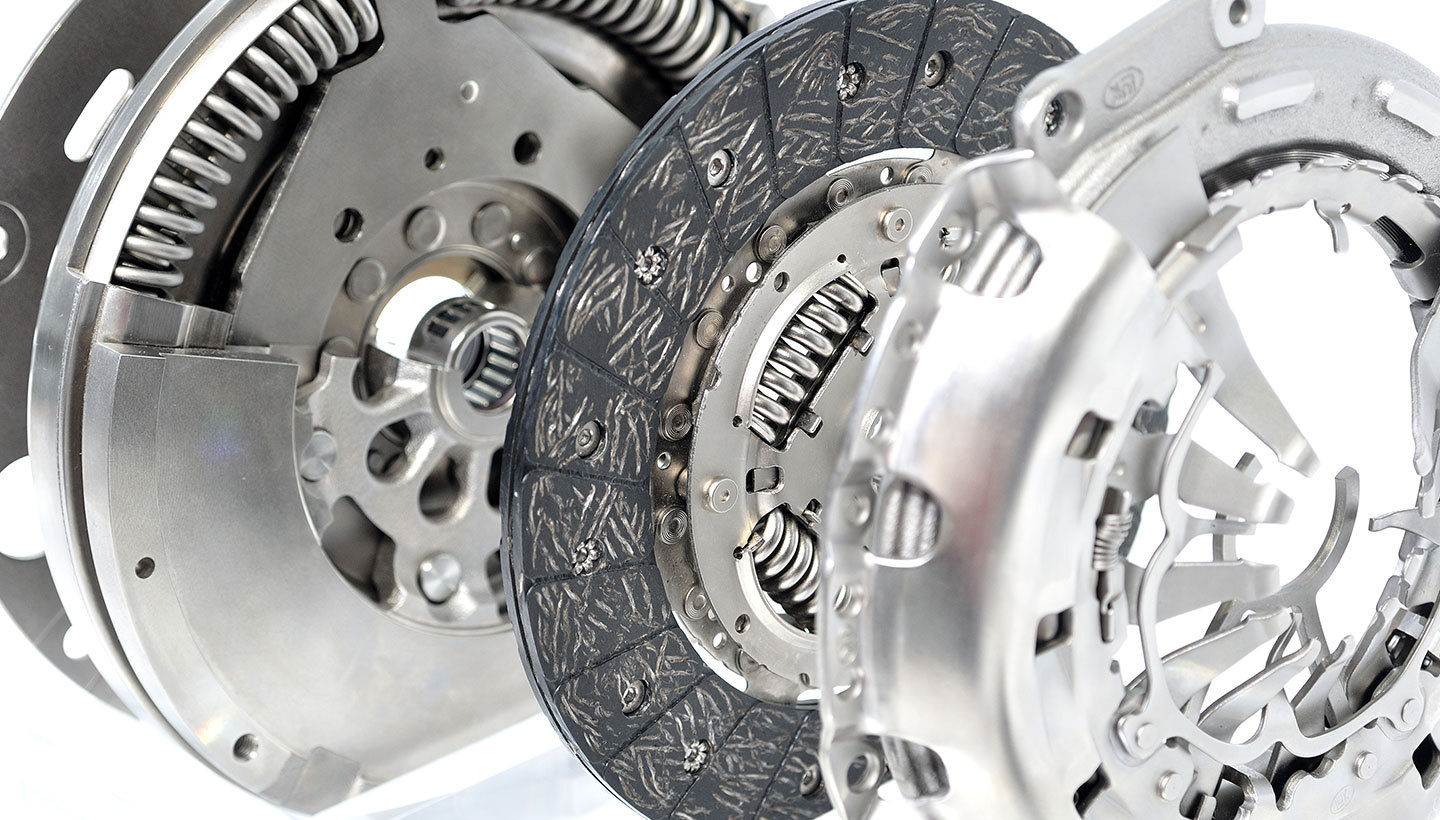
Flywheel Function for Cars
As explained above, the flywheel is a component that must be present in a manual car. Flywheel on the car serves to rotate the engine. The flywheel is the first location where the car engine rotates when the car engine is turned on. Apart from turning the engine, the flywheel also has other functions, namely:
1. Saving Mechanical Power
Not only rotates the engine, the function of the flywheel is to store mechanical energy to balance the engine so that it continues to have good performance. Mechanical power is the energy created when the engine is running. The flywheel works to balance the mechanical power by storing it.
2. Connecting Components to the Clutch
In manual cars, the clutch is a very vital component. The clutch is useful for running the engine and the components in it. In this case, the flywheel functions as a place to install the clutch and connect the components contained in the clutch.
3. Balancing the Engine Speed
Another function of the flywheel is to balance the engine speed. It also plays a role in inhibiting the supply of mechanical energy and transmitting rotational energy from the piston to the engine parts. With the flywheel, the engine rotation of the car will be more stable.
How Flywheels Work
The flywheel works by storing mechanical energy generated by torque and then releasing this energy by rotating the engine. When saving mechanical energy, the engine speed will increase. And when mechanical energy is released, the stability of the engine speed will be maintained properly. The machine can rotate stably.
Mechanical energy is transferred to the flywheel via torque which causes an increase in rotational speed. This is what allows energy to be stored. Vice versa, when the flywheel releases stored energy, the flywheel rotates the mechanical load to maintain the stability of the rotation of the engine.
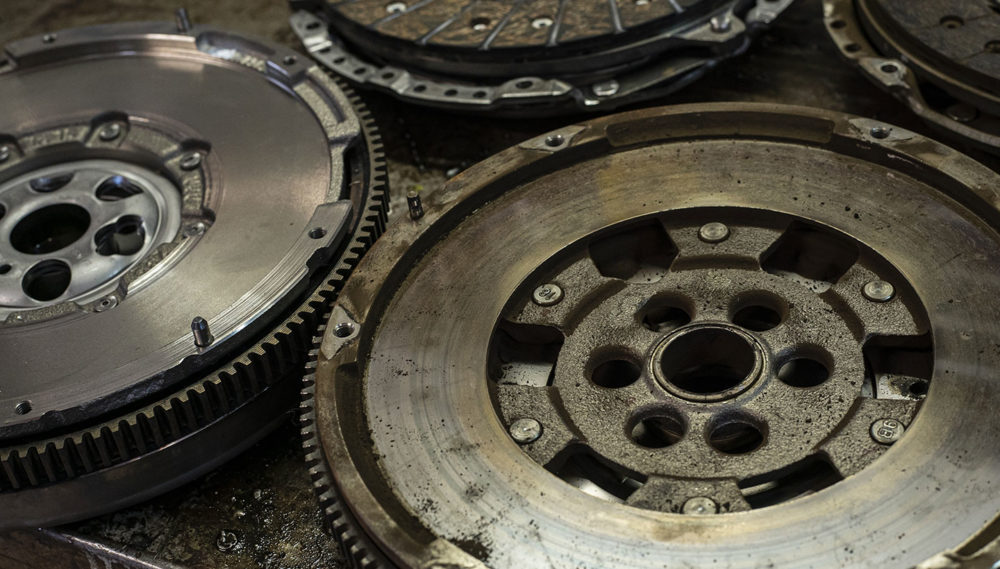
Advantages of Flywheels
Some of the advantages of flywheel components compared to batteries in general include:
Flywheel has various types that are useful for the movement of car engine performance, especially in manual cars. Here are the types:
1. High Speed Flywheel
This type of flywheel has a high speed, ranging from 30,000 rpm to 60,000 rpm. High-speed flywheel contains magnetic levitation with a relatively light weight. Maintenance of high speed flywheels is very easy, but they are quite expensive.
2. Low Speed Flywheel
When compared to high speed flywheels, this type of flywheel has a low speed of 10,000 rpm. This type of flywheel is quite heavy and large, so regular maintenance is required. For installation, the low speed flywheel needs concrete construction to support its weight. Because they do not use magnetic levitation bearings, low-speed flywheels cost less.
Those are some explanations about the function, how it works, types, and the advantages of the flywheel on a car that you should know. Hope it is useful for car owner!
Frequently Asked Questions
Q1. What is a flywheel in a car?
A flywheel is a heavy, precisely balanced disc bolted to the rear of the crankshaft. It stores rotational energy from the engine's power strokes and releases it smoothly between strokes, keeping the crankshaft turning evenly.
Q2. What is the purpose of a flywheel?
Its main purposes are to smooth out engine power delivery, carry the engine through the compression stroke, provide a friction surface for the clutch, and — on many engines — act as the ring gear the starter motor engages to crank the engine.
Q3. How does a flywheel work?
During the power stroke the crankshaft accelerates and the flywheel absorbs extra energy as rotational momentum. During the other three strokes that momentum is given back, carrying the piston through them so the engine does not stall and runs without pulsation.
Q4. What is a flywheel in an engine made of?
Most flywheels are made of cast iron or steel. Lightweight performance flywheels may use billet steel or aluminium with a steel friction face. Dual-mass flywheels contain two plates joined by arc springs to damp vibration.
Q5. What are the signs of a bad flywheel?
Common symptoms include a slipping or juddering clutch, vibration through the pedal or floor, a rattling noise at idle that fades when the clutch is pressed, and difficulty engaging gears.
Q6. Can you drive with a bad flywheel?
You can sometimes drive short distances, but a worn or cracked flywheel can damage the clutch and gearbox. It should be inspected and replaced promptly rather than driven on long-term.