Auto Parts Knowledge | The role and function of car bumpers
- Share
- publisher
- 、Saskia
- Issue Time
- Jul 21,2023
Summary
99% of people still don't know what a bumper really does These points are so important!
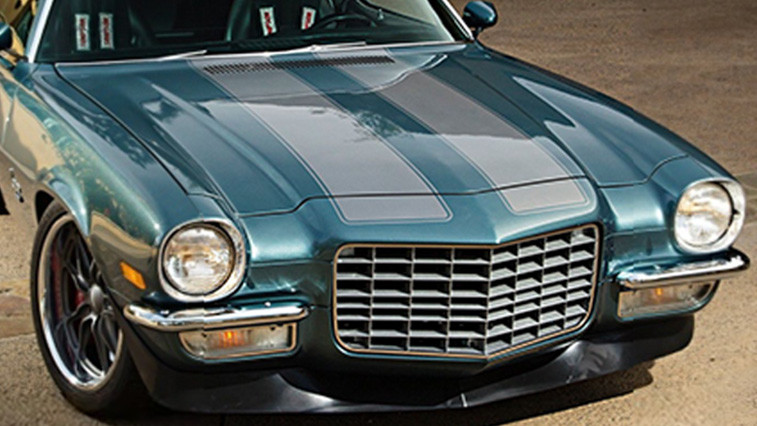
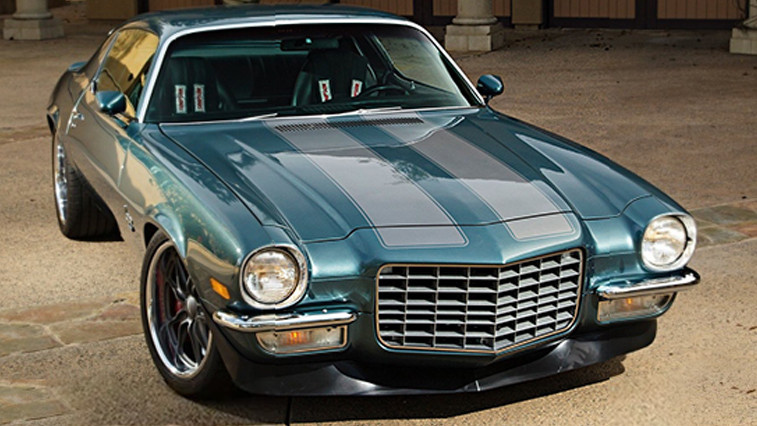
Car bumpers can be considered as a shock-absorbing part of the car’s exterior, attached to both, front and rear ends of a motor vehicle. The front one is placed right below the front grille, being the first thing to hit an object while the rear one is attached to the rear part of the car absorbing a rear impact of the collision. It is not that, a bumper covers only the middle portion of both rear and the front sides, it covers side parts configured to extend from both ends of the bumper central part toward respective wheel housings.
People might think that the sole purpose of the bumper on a car is to prevent injury in a crash or collision. But, the fact is they are not even considered as a safety feature, rather are put on, to reduce or prevent physical damage to the front and rear ends of a motor vehicle during a low-intensity crash. They act as a shield that is generally made of rubber or plastic and sometimes of aluminum or steel as well, to protect the hood, trunk, fuel, grill as well as exhaust and cooling system of a car.
Frequently Asked Questions
Q1. What is a car bumper?
A car bumper is the structure fitted to the front and rear of a vehicle designed to absorb and manage impact energy in a low-speed collision, protecting the bodywork, lights and safety components behind it.
Q2. What are the parts of a car bumper?
A modern bumper assembly usually includes the outer plastic cover, an energy-absorbing foam or honeycomb insert, a reinforcement beam, impact absorbers, mounting brackets, and trims such as grilles, fog lamps and parking sensor housings.
Q3. What is the function of a car bumper?
Its primary function is to reduce damage in minor impacts by absorbing energy and spreading the load across the vehicle structure. It also protects pedestrians, houses lighting and sensors, and contributes to the vehicle's aerodynamics and appearance.
Q4. What are car bumpers made of?
Most covers are moulded from polypropylene or ABS plastic because these flex and resist corrosion. Behind the cover, the reinforcement beam is typically steel or aluminium and the energy absorber is expanded polypropylene foam.
Q5. Can a damaged bumper affect safety?
Yes. A cracked or missing bumper may no longer absorb impact correctly, and damage to the foam or reinforcement beam can hide structural issues. Parking sensors and cameras mounted in the bumper can also stop working.
Q6. Should I repair or replace a bumper?
Small scuffs and minor cracks can often be plastic-welded and repainted. If the reinforcement beam is bent, the foam is crushed, or sensors no longer align, replacement is the safer choice.